Research Foundation
Rooted in Scholarship
LILMOD's Gullah-Geechee programming is grounded in the foundational research of founder James D. Height Jr. During his time at Morehouse College, Height conducted a record number of undergraduate field research hours studying the historical and cultural traditions of the Gullah-Geechee people of the southeastern United States.
Academic Research
Height's work explored questions of identity, cultural memory, diaspora history, and the role of historical knowledge in shaping modern civic life. He participated in the Johns Island Preservation Field School through the College of Charleston and contributed to broader scholarly conversations surrounding the African diaspora and cultural preservation.
National Park Service / HBCUI
Through the National Park Service and the HBCUI Internship Program, LILMOD has built direct experience in public history, cultural heritage interpretation, and educational engagement tied to community-based storytelling and historical preservation. This institutional grounding informs how LILMOD designs programs and engages partners today.
Community Engagement
Connecting with Gullah-Geechee Communities
LILMOD's engagement with Gullah-Geechee communities goes beyond academic research. We are committed to cultural preservation, public history, intergenerational dialogue, and community-centered leadership that honors the living traditions of Gullah-Geechee people.
Community Town Hall — Historic Penn Center
James Height Jr. speaking to Gullah-Geechee elders at a public town hall hosted by The Guardian newspaper at the Historic Penn Center in St. Helena, South Carolina.
Watch Video
Field Research
Gullah-Geechee Research — James Height Jr. & Jahrik Browner
James Height Jr. and Jahrik Browner conducted extensive field research across Gullah-Geechee communities in the Sea Islands and Low Country regions of the southeastern United States, engaging in oral history documentation, cemetery research, community gatherings, and intergenerational dialogue.
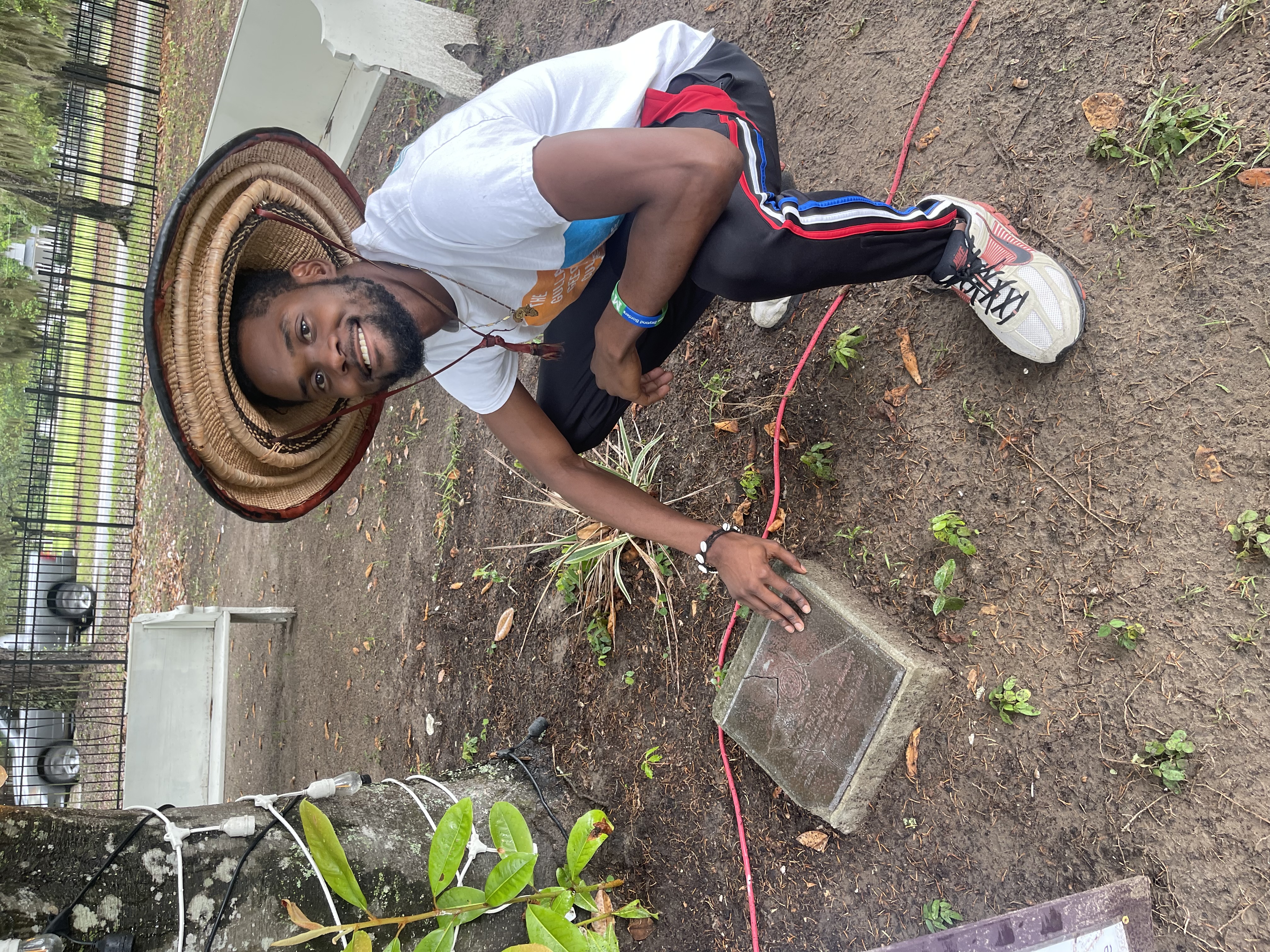
Field Research Documentation
Documentation from Gullah-Geechee field research connected to public memory and cultural infrastructure.
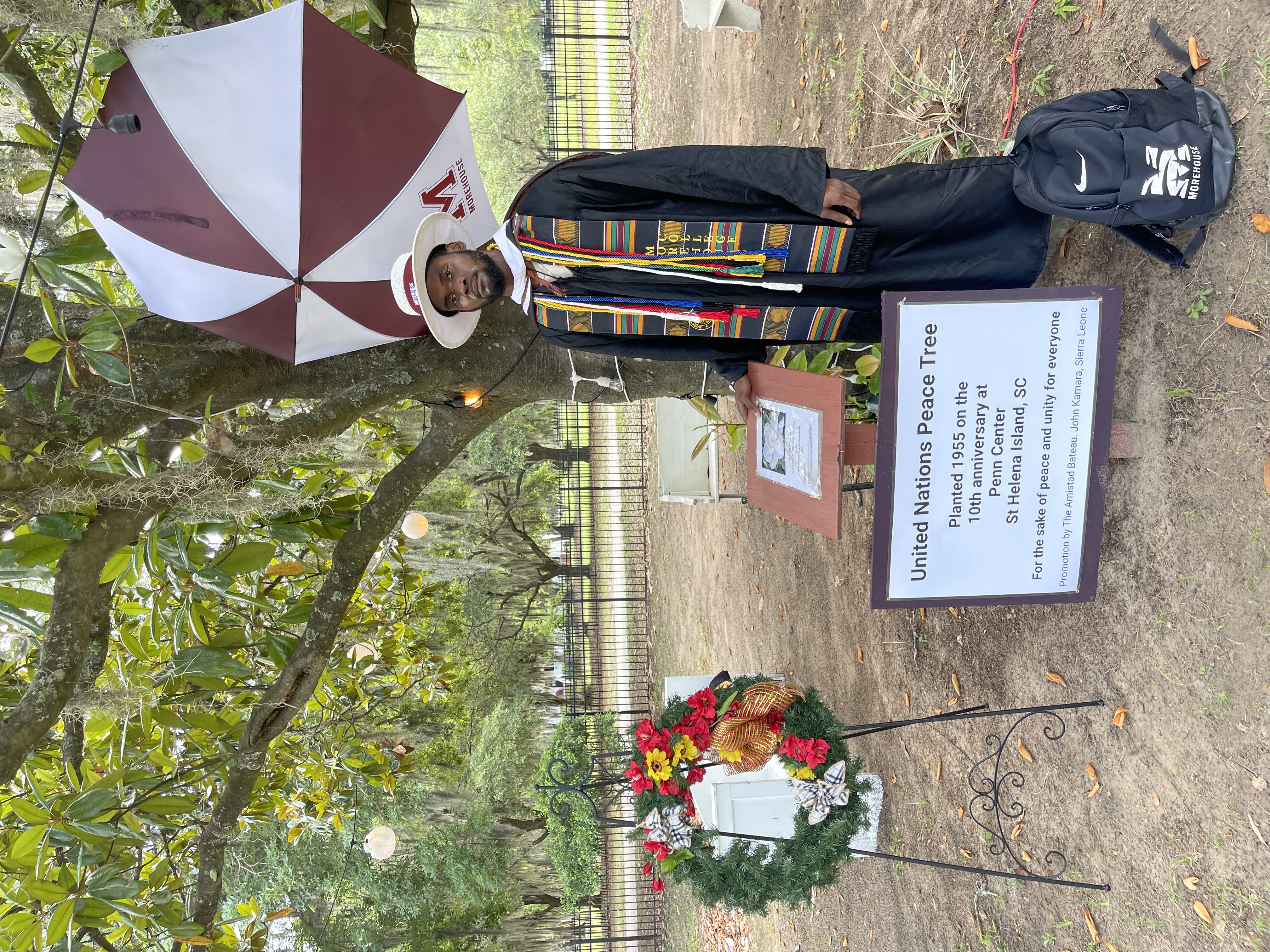
Cultural Site Documentation
Field documentation at a historic cultural site in the Sea Islands region.
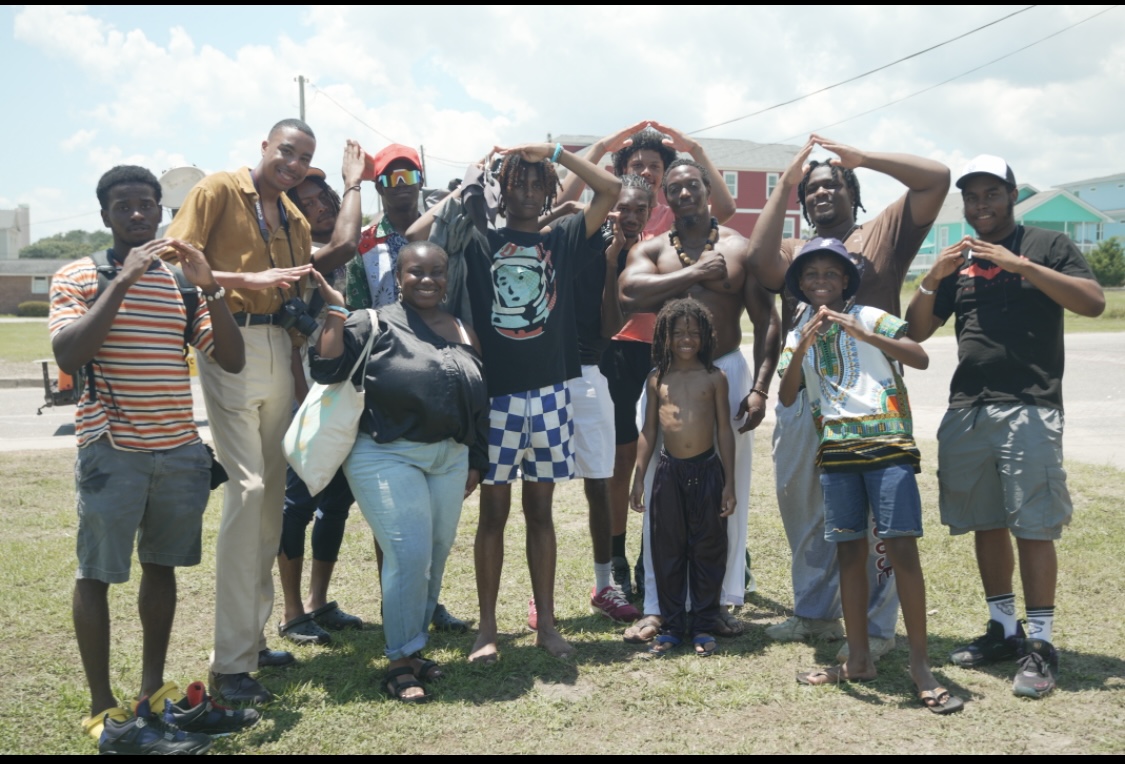
Community Gathering
James Height Jr. and Jahrik Browner with community members during Gullah-Geechee field research in the coastal Sea Islands.
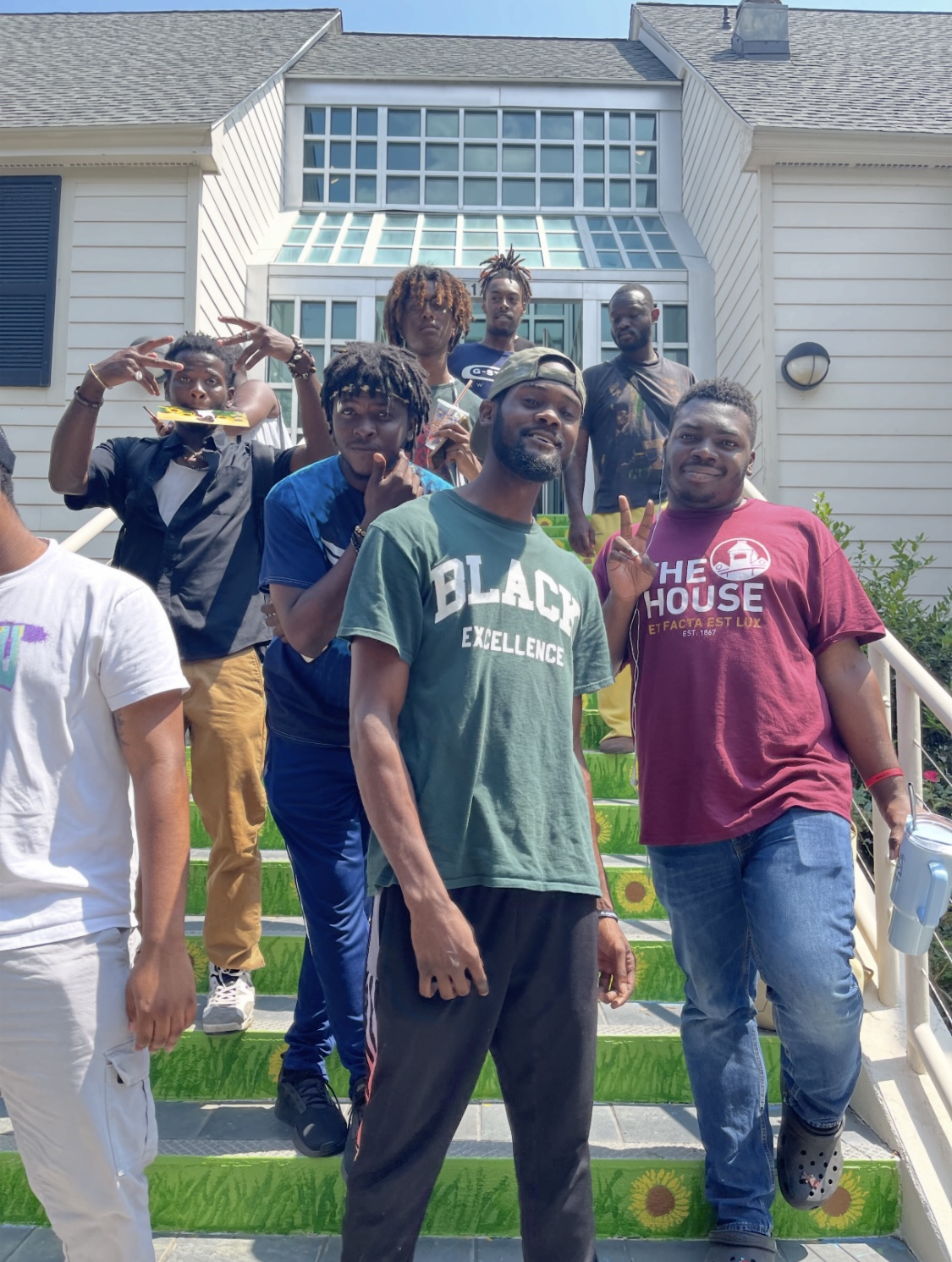
Community Visit
Research team during a Gullah-Geechee community visit, building relationships and understanding local heritage.
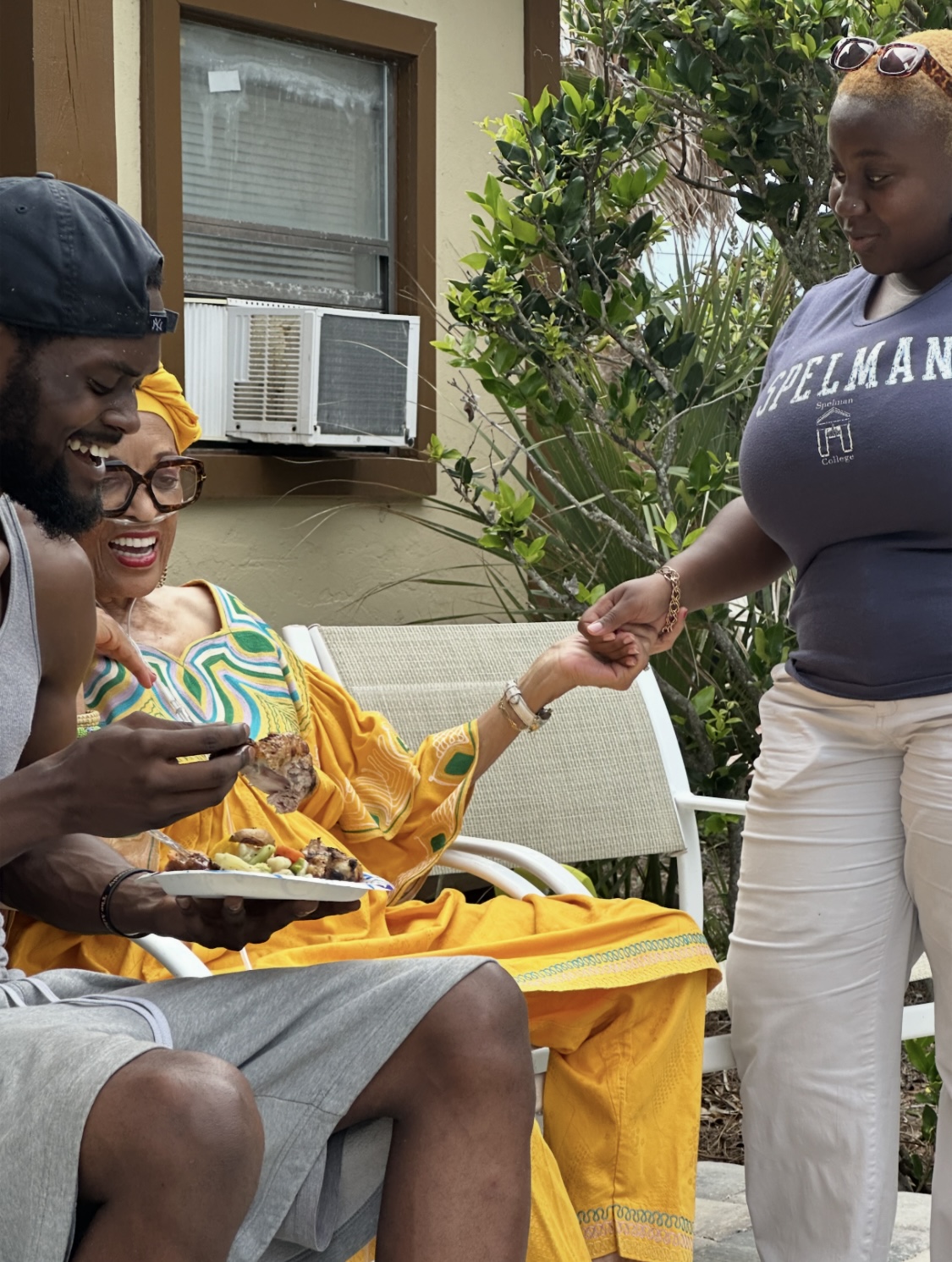
Meeting with Dr. Johnetta Cole
James Height Jr. with Dr. Johnetta Cole during Gullah-Geechee community engagement.
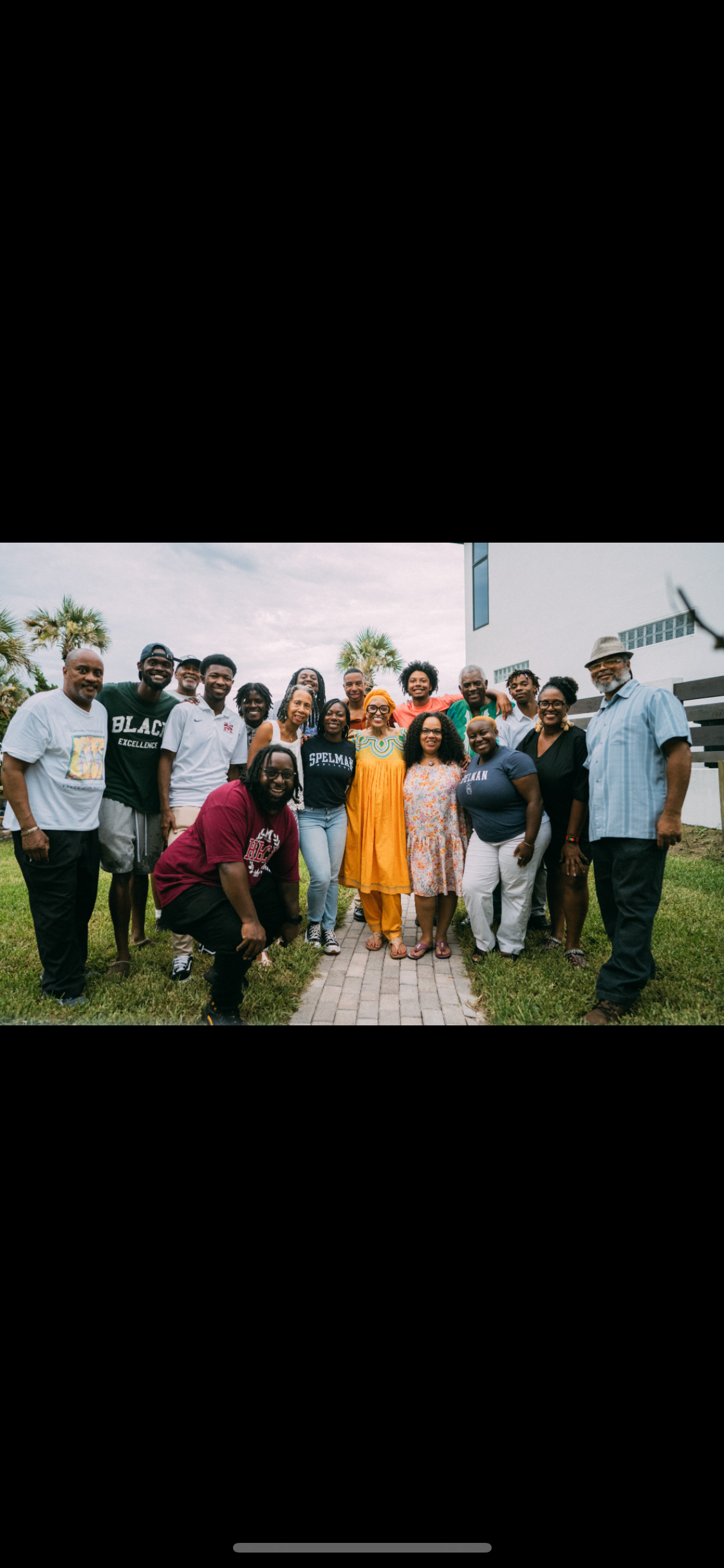
Community & Dr. Johnetta Cole
James Height Jr., Jahrik Browner, Dr. Johnetta Cole, and Gullah-Geechee community members during cultural engagement.
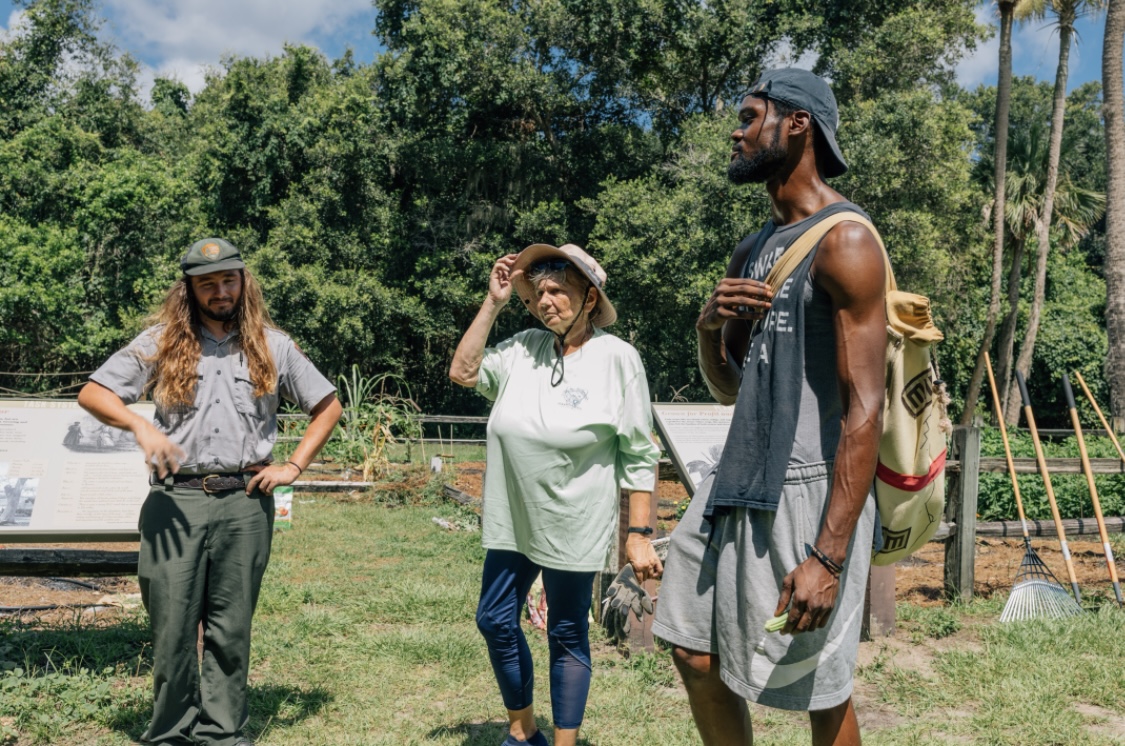
Heritage Garden Visit
Dr. Emory Shaw Campbell, James Height Jr., and Jahrik Browner visiting a heritage garden connected to Gullah-Geechee agricultural traditions and community food culture.
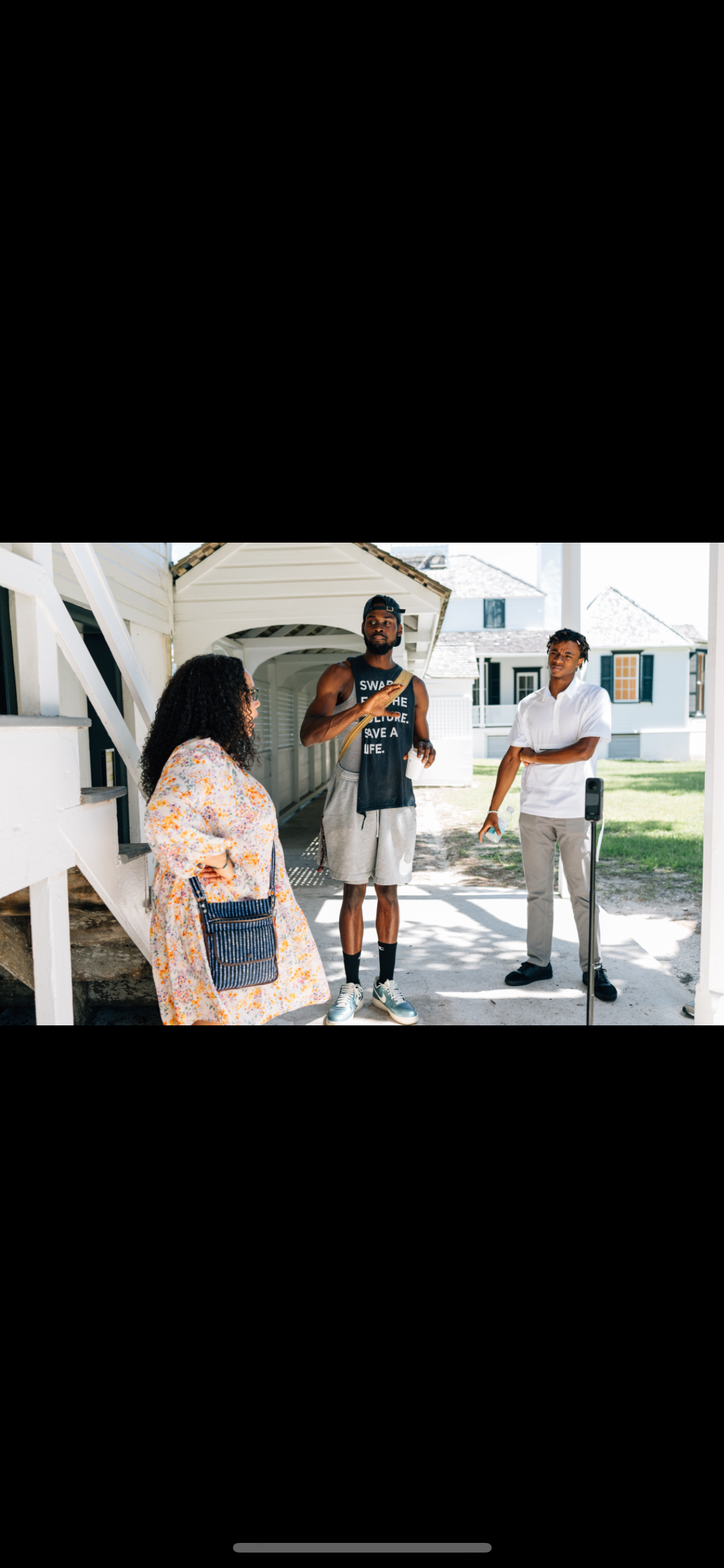
Historic Site Research
James Height Jr. and Peri Francis, a community advocate for the Gullah Geechee people, at a historic Gullah-Geechee structure during cultural preservation research.
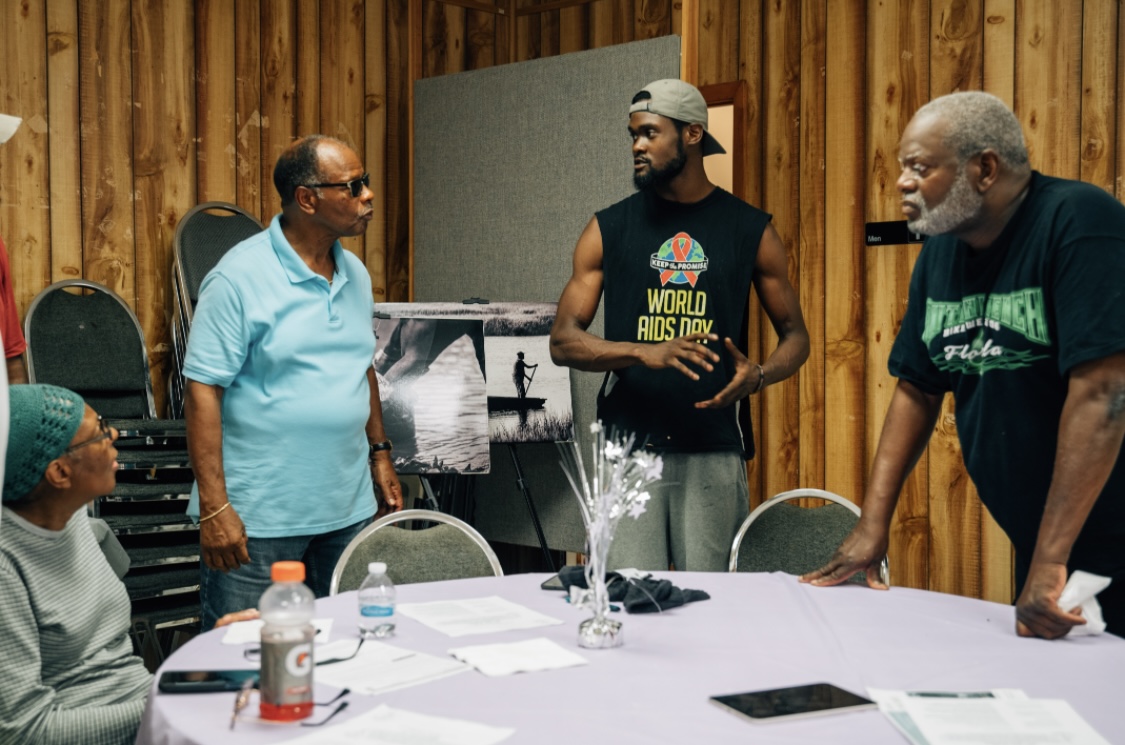
Youth Engagement Education
James Height Jr. educating community members about youth engagement at a local community center.
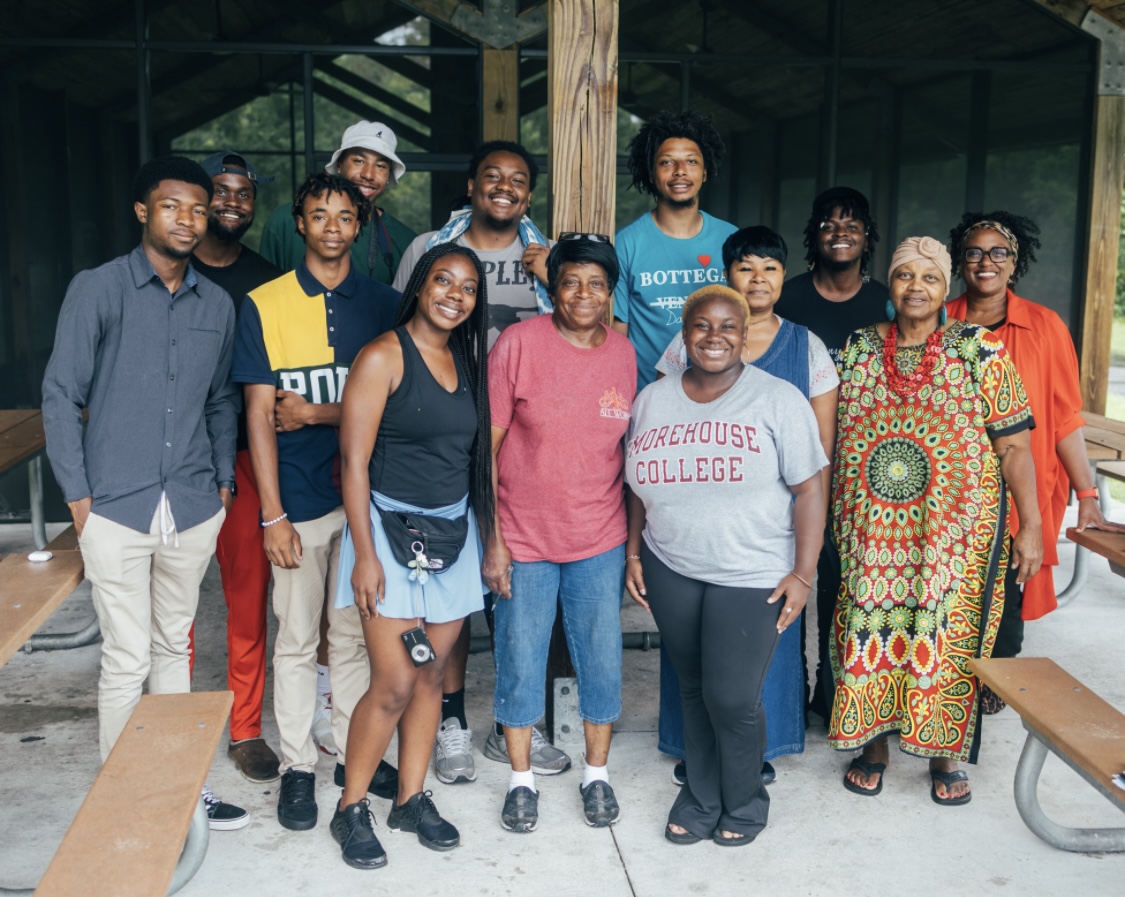
Community Research Gathering
James Height Jr. and Tendaji Bailey with Morehouse MMJ and community members after a day of field research and cultural engagement.
Institutional Programming
How We Work With Institutions and Communities
LILMOD offers a defined set of Gullah-Geechee programming services that institutions, funders, and community partners can support and help scale. Each area below represents a fundable initiative that can be tailored to the needs of specific institutions, regions, or populations.
Youth Heritage Education
Structured programming that connects young people to Gullah-Geechee cultural traditions, building historical awareness and cultural identity through hands-on learning, storytelling, and community interaction.
Intergenerational Dialogue Programs
Facilitated programs that bring together elders, community leaders, and young people to share knowledge, preserve oral traditions, and strengthen cultural continuity across generations.
Public History Interpretation
Programming that translates Gullah-Geechee cultural heritage into accessible public history experiences — connecting historical sites, cultural narratives, and community knowledge to broader audiences.
Speaker Series
Curated speaking engagements and panel discussions on Gullah-Geechee history, cultural preservation, diaspora scholarship, and the intersection of heritage and modern civic life.
Curriculum Support
Consultation and curriculum design support for schools, colleges, and educational organizations seeking to integrate Gullah-Geechee history and cultural content into their programming.
Community Engagement Design
Strategic planning and engagement design for organizations that want to build authentic, community-centered relationships with Gullah-Geechee communities and cultural institutions.
For Funders and Partners
Each of these program areas can be tailored to the needs of specific institutions, regions, or populations. LILMOD welcomes conversations with foundations, educational institutions, cultural organizations, and government agencies interested in supporting Gullah-Geechee cultural preservation, public history, and community engagement at scale.
Research & Resources
NPS Research & Public Scholarship
LILMOD's Gullah-Geechee programming is informed by direct engagement with National Park Service research sites, the Johns Island Preservation Field School, Movement, Memory and Justice, and multiple public history projects. The following resources reflect the scholarly and institutional foundations of this work.
Understanding where we come from is the first step toward understanding where we are called to go. The Gullah-Geechee tradition is not just history — it is a living foundation for leadership, service, and cultural identity.
LILMOD Strategies builds institutional partnerships around Gullah-Geechee cultural infrastructure, preservation methods, public history, digital humanities, and descendant-centered interpretation. Our work connects institutions, funders, and community organizations to measurable cultural preservation outcomes.
Partner with LILMOD
Digital Humanities