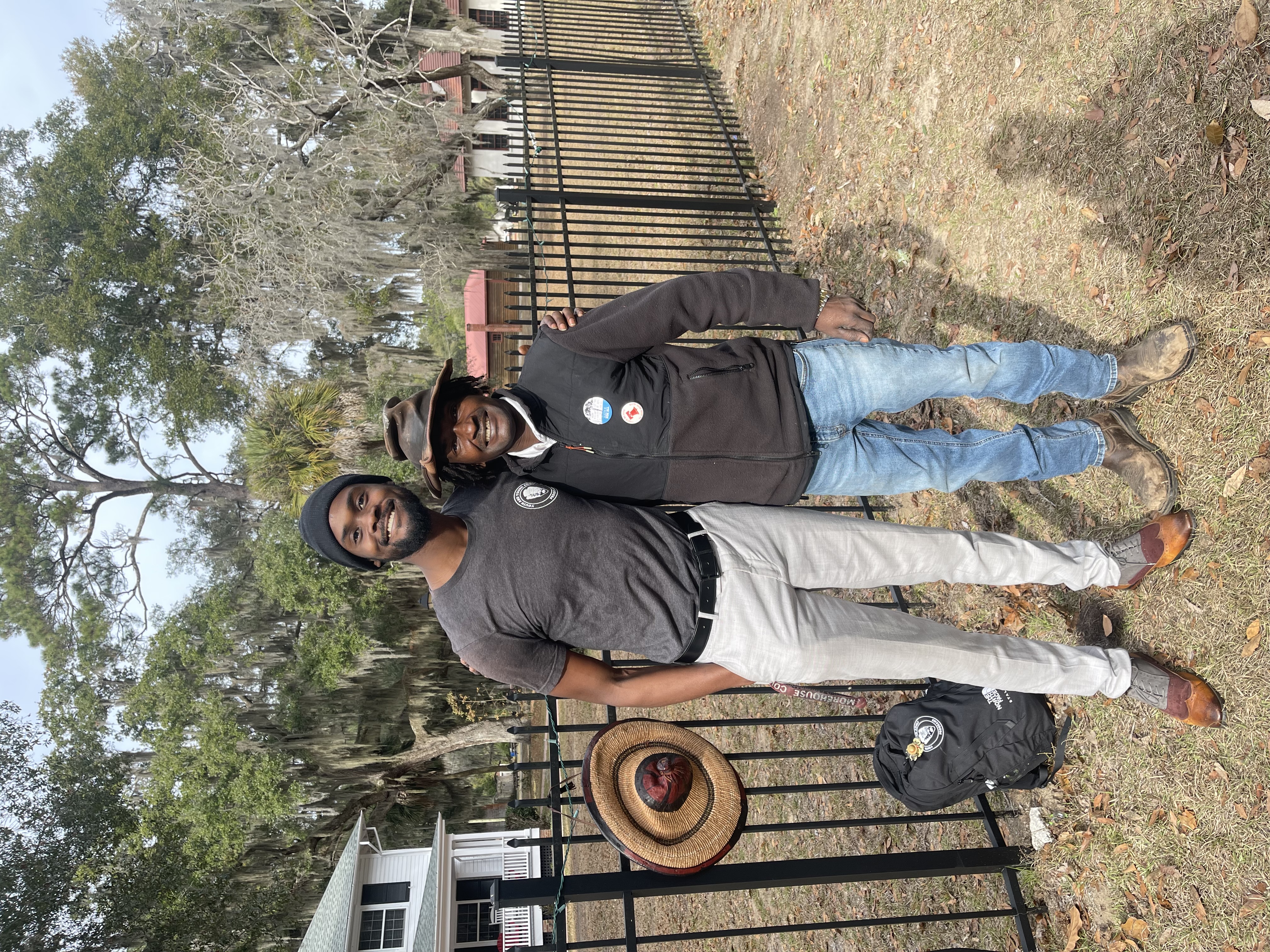
Digital Public History
Public-facing interpretation, multimedia storytelling, and digital tours that make historical knowledge accessible and teachable.
NPSInterpretation
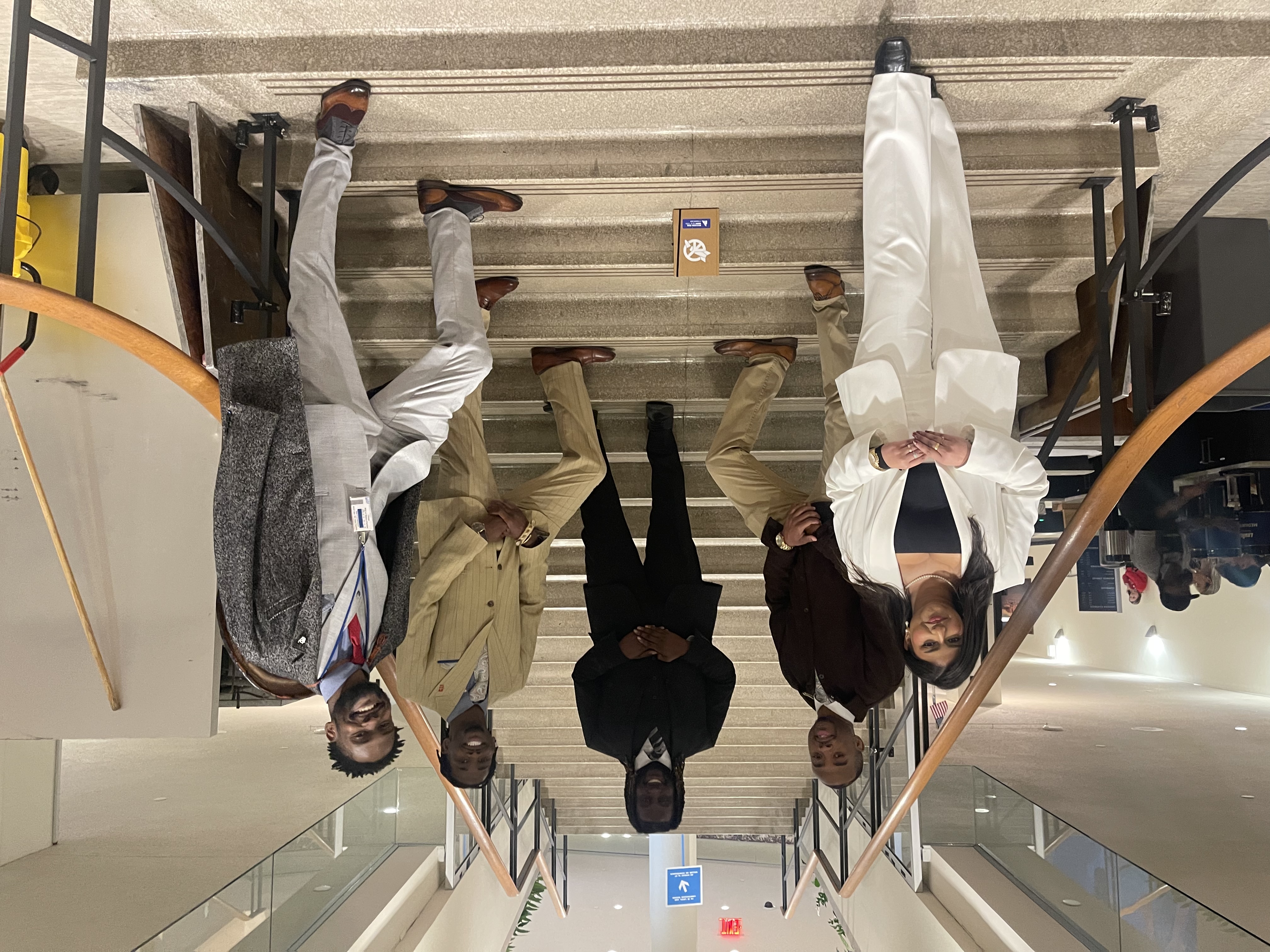
Public Memory Systems
Public memory, preservation, spatial narrative design, oral history, and archival storytelling translated into teachable institutional methods.
National Park Service Digital Audio Tour Project
Landfall: Come by the Combee connects digital audio storytelling, public interpretation, and Lowcountry historical memory through the National Park Service HBCUI Internship Program.
The project frames Beaufort County and the Combahee River Raid as living public-history terrain, using immersive storytelling to connect Reconstruction-era history, descendant memory, coastal landscapes, and civic education.
Methods
This page reframes digital humanities as curriculum architecture: a way to teach participants how memory, place, archives, maps, sound, and interpretation shape public institutions.
Public-facing interpretation, multimedia storytelling, and digital tours that make historical knowledge accessible and teachable.
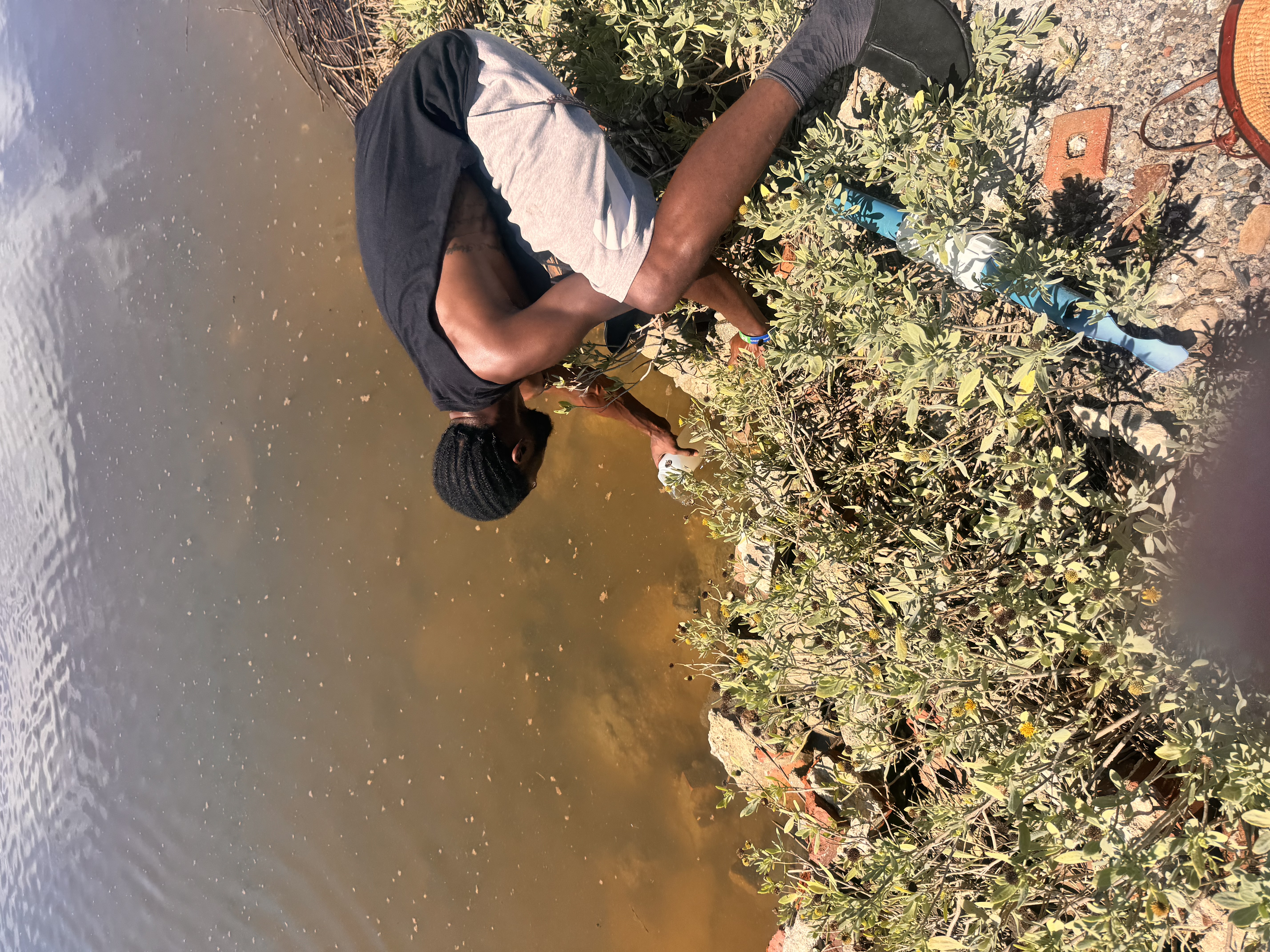
StoryMaps, GIS thinking, and landscape documentation that layer historical evidence onto physical places.
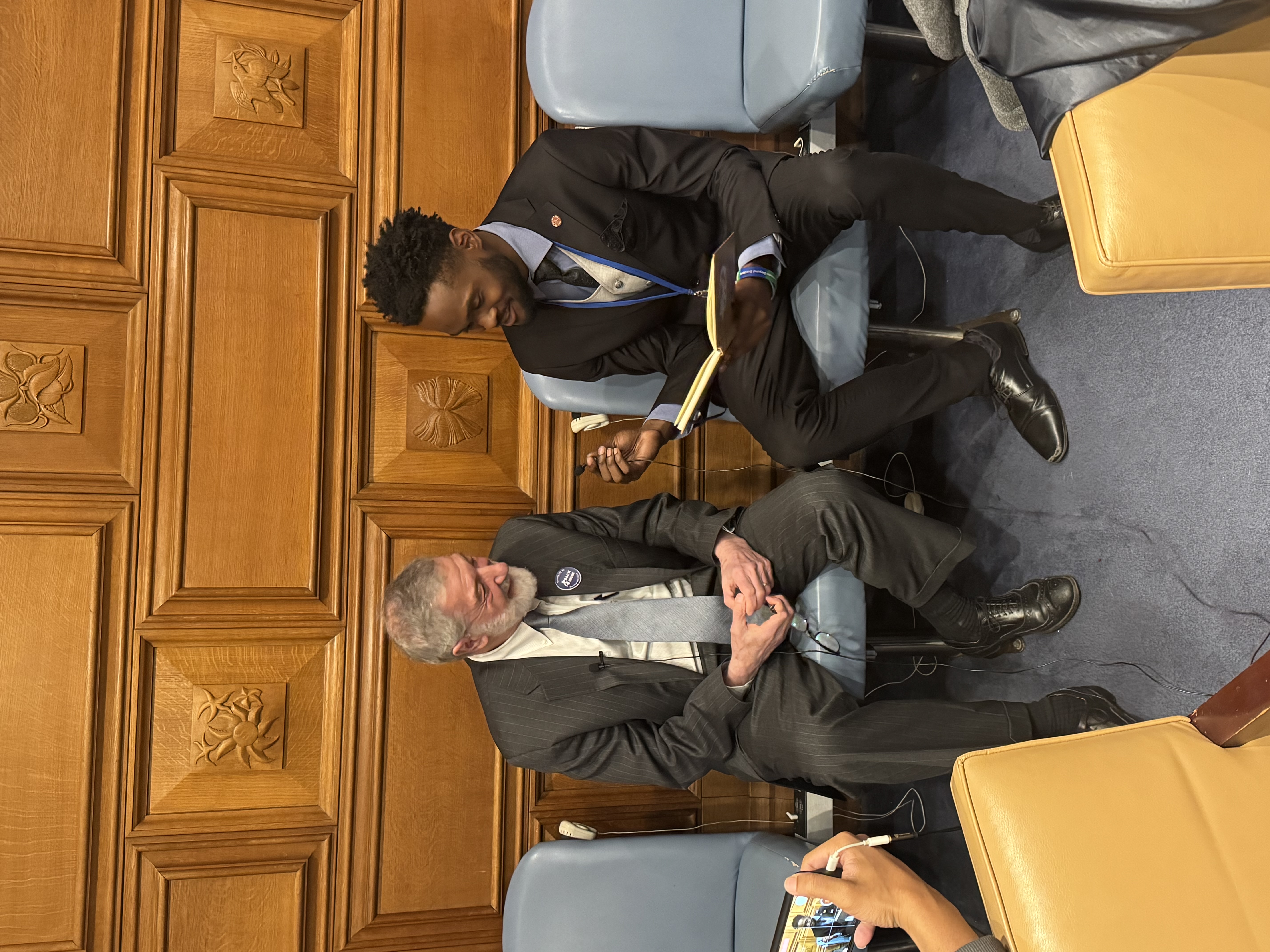
Interview methods and soundscape thinking that teach participants how memory, voice, and context become public scholarship.
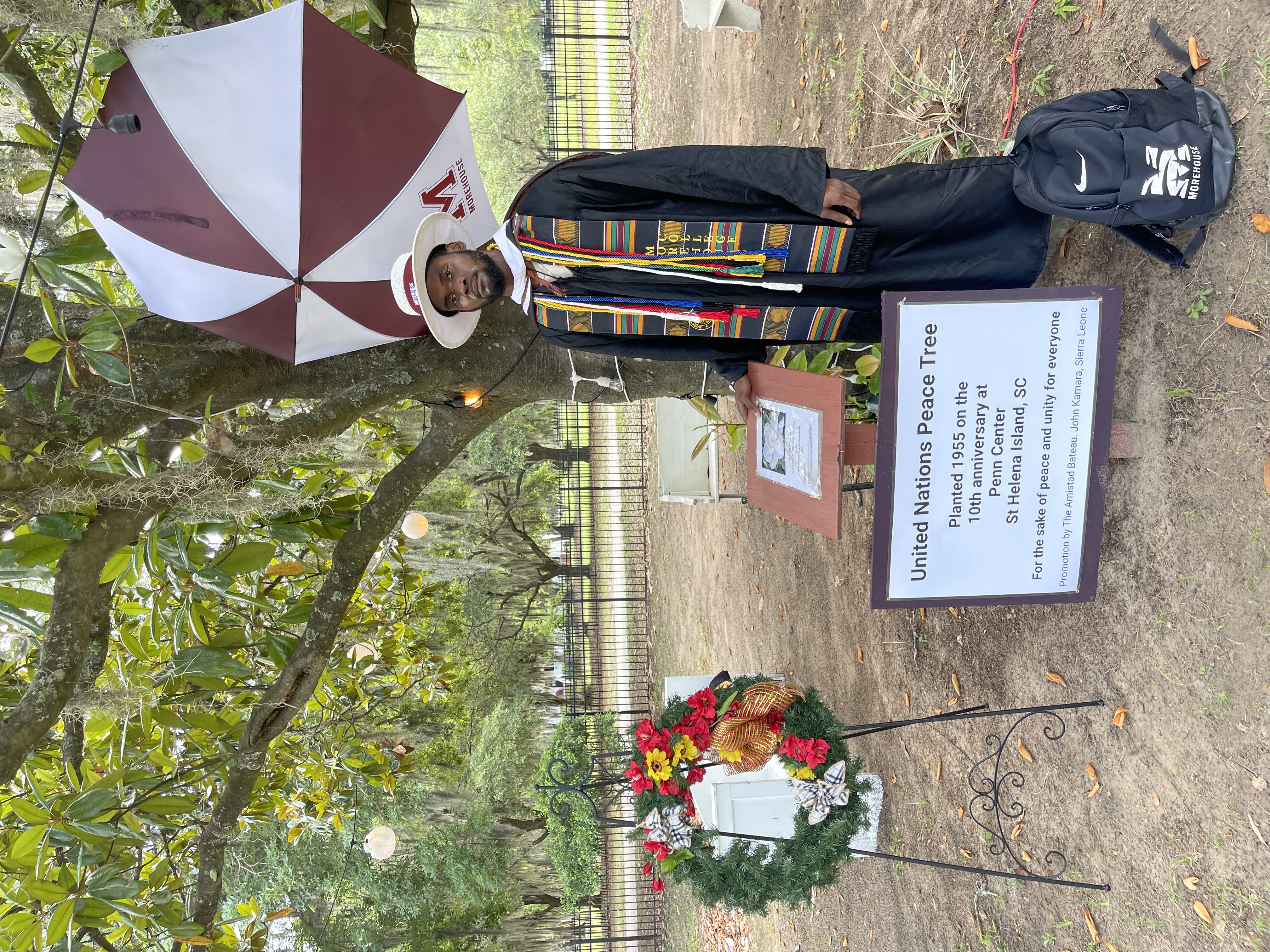
Preservation methods for primary sources, field records, photographs, and community documentation.
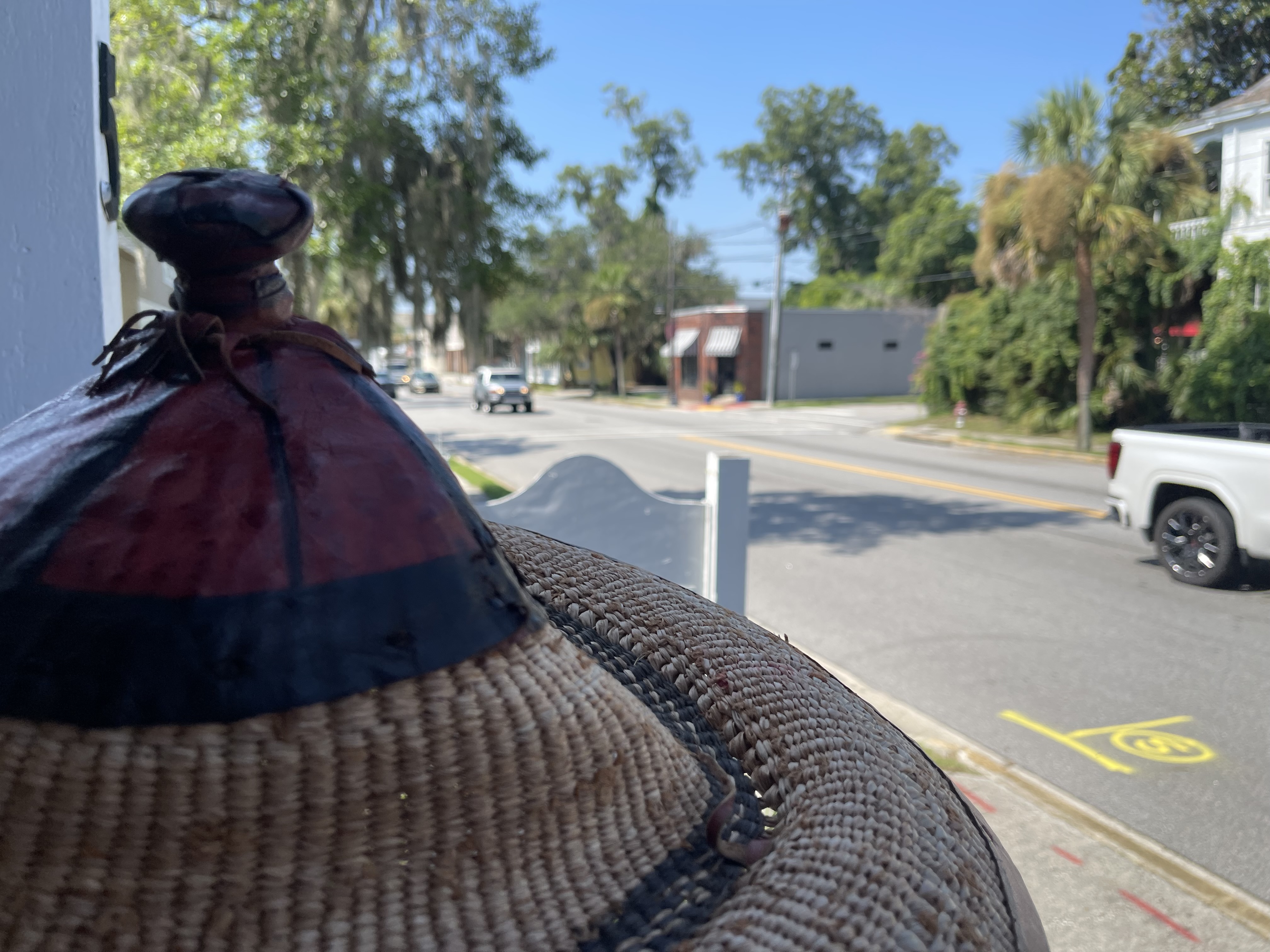
Interpretive methods that center descendant communities, cultural ethics, and place-based knowledge.
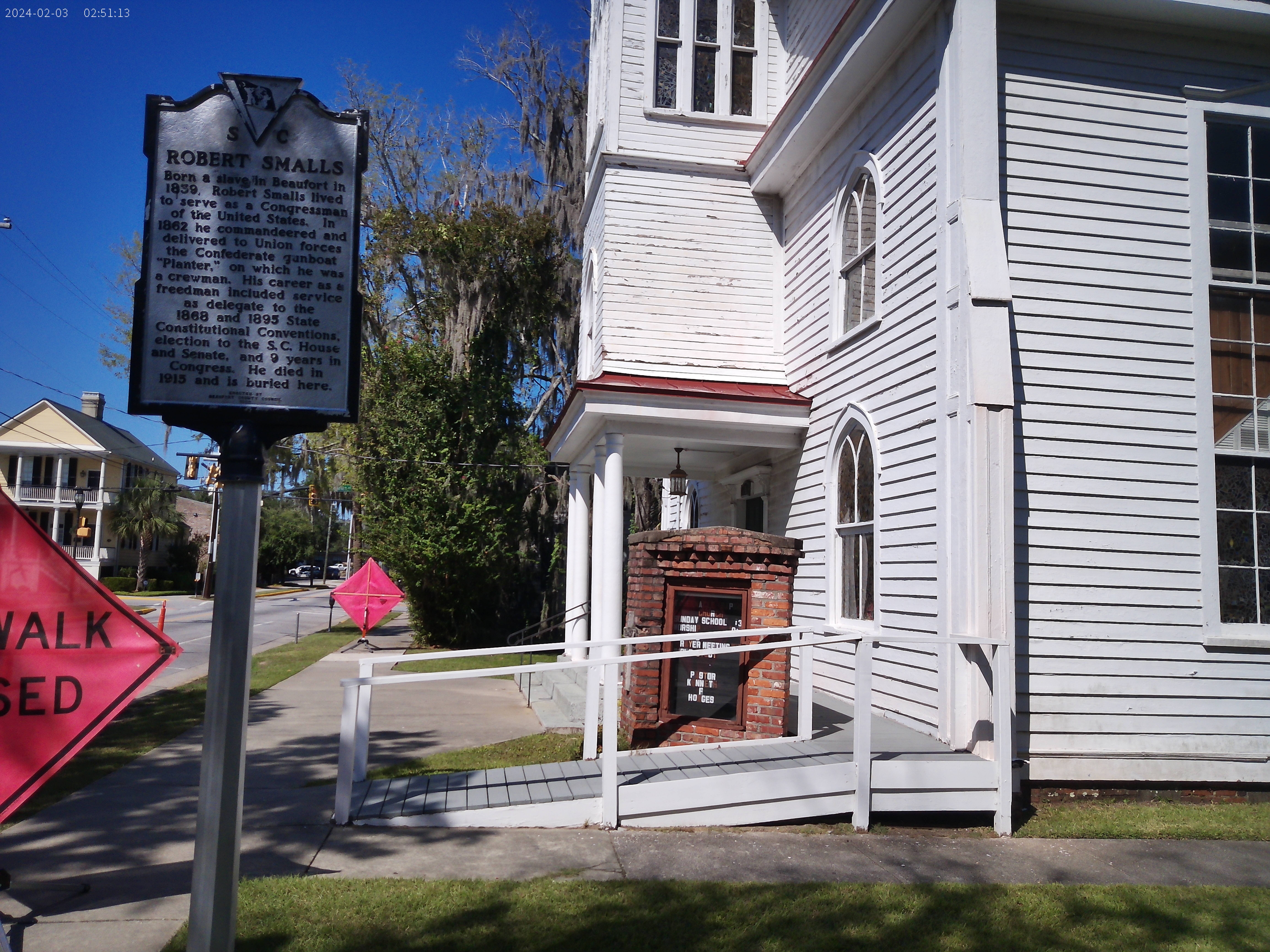
Frameworks that connect preservation, education, community development, and governance through heritage-informed practice.
Public Record
The digital humanities record includes HBCUI/NPS work, Landfall: Come by the Combee, Johns Island Preservation Field School, Movement, Memory and Justice, and spatial narrative projects.
NPS interpretation and digital public history project used as source material for curriculum design.
See ExampleSpatial narrative project connecting field documentation, cultural landscapes, and public-facing interpretation.
View StoryMapPreservation fieldwork reference for place-based methodology and cultural infrastructure education.
See Example
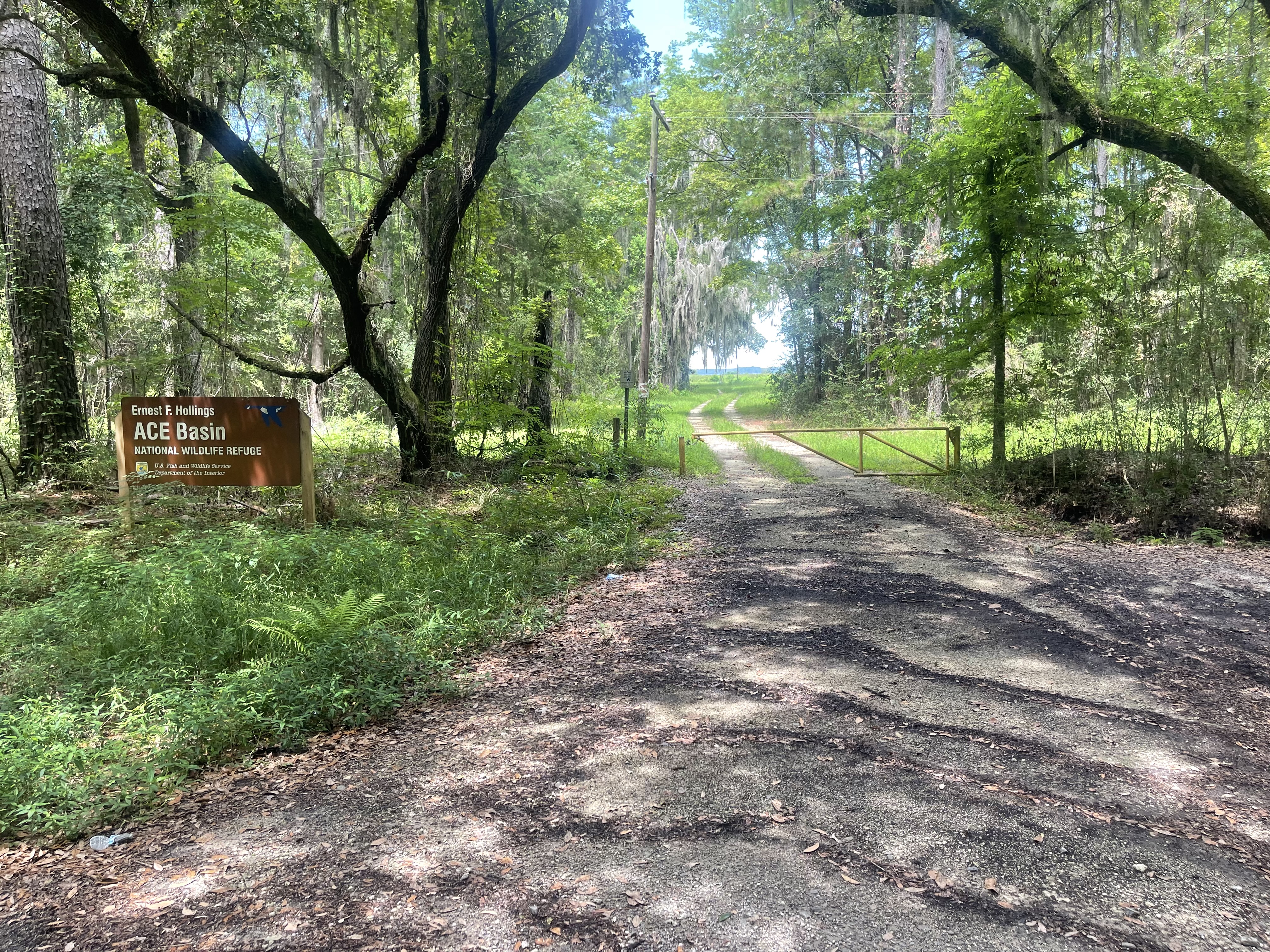
Cultural Infrastructure