International Peace Engagement
PEAC Institute
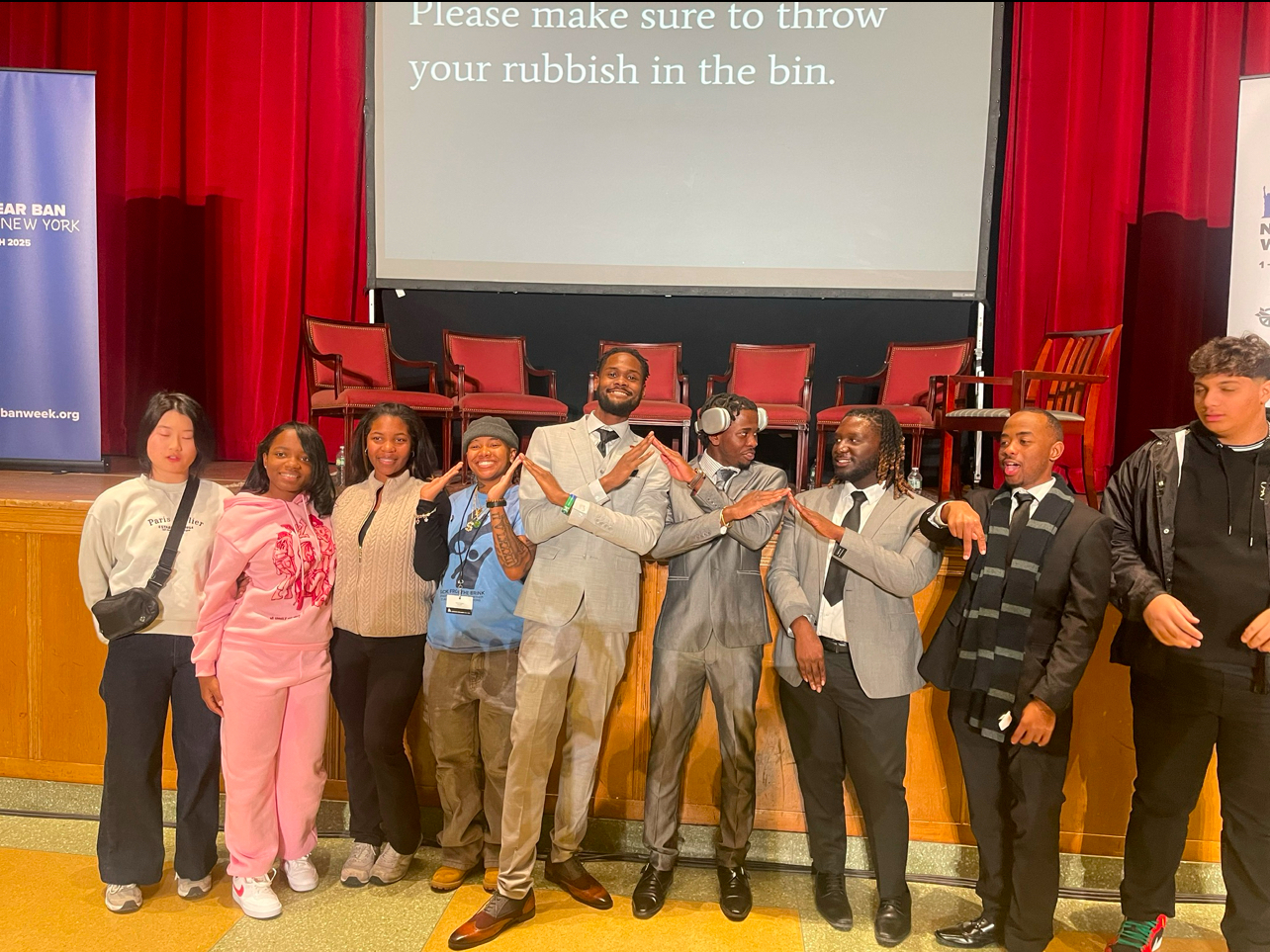
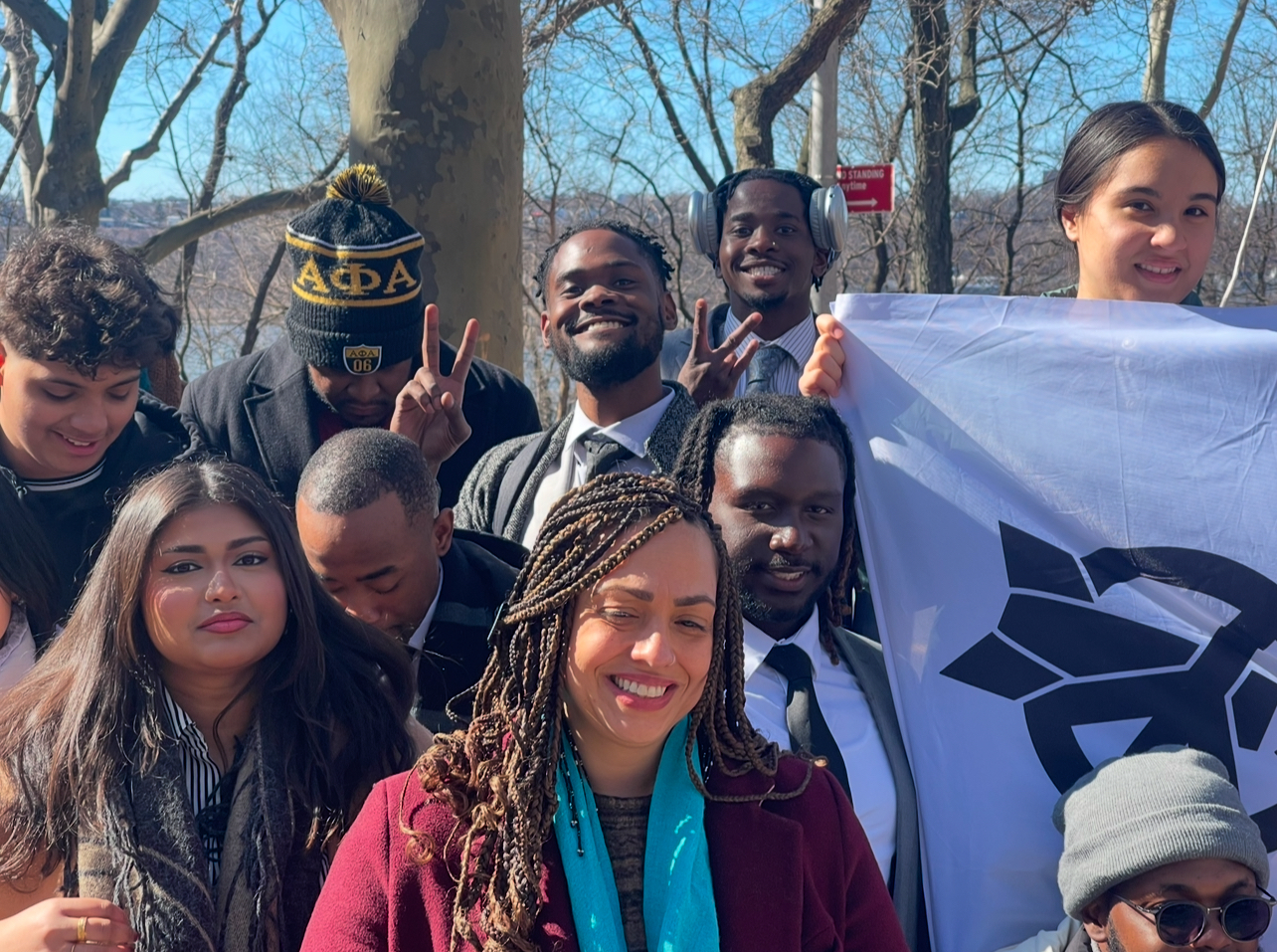
In March 2025, LILMOD was represented at the United Nations as part of the PEAC Institute, a United Nations NGO, during the Treaty on the Prohibition of Nuclear Weapons meeting. Through this engagement, LILMOD contributed to international conversations on nuclear disarmament and global peace alongside diplomats, advocates, and high-capacity leaders from around the world.
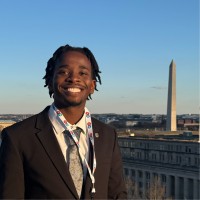
Jahrik Browner — Director of Outreach
In October 2025, Jahrik Browner spearheaded the Global Pause for Peace in collaboration with the PEAC Institute, with James Height Jr. contributing to the effort. The event supported international efforts to encourage reflection, dialogue, and collective action toward peaceful global cooperation.
Looking ahead, LILMOD will again participate as part of the PEAC Institute delegation to upcoming United Nations engagements surrounding both the Treaty on the Prohibition of Nuclear Weapons and the Nuclear Non-Proliferation Treaty, continuing its work to connect proven leaders with global peace and institutional learning initiatives.
Youth delegates and activists at Nuclear Ban Week, New York
See what PEAC Institute had to say about LILMOD's contributions — watch the testimonial.
Veterans & Military Families
Veterans Advocacy
LILMOD is committed to advancing awareness of issues affecting veterans and military families. Founder James D. Height Jr. was raised in a multigenerational military household and brings firsthand understanding of the challenges facing service members, veterans, and their families.
Through research, public education, and community-centered programming, LILMOD works to elevate conversations surrounding veterans' access to education, public services, and long-term support systems.
Learn More About Veterans Advocacy
Our Approach
Advocacy Pillars
LILMOD's global advocacy framework is built on the belief that lasting change requires understanding the full pathway from knowledge to action. Our advocacy efforts are guided by these core pillars:
- Cultural preservation and historical consciousness as foundations for civic engagement
- Leadership development through exposure to diplomacy and international institutions
- Bridging the gap between academic research and real-world advocacy
- Connecting diaspora communities to global conversations on peace and justice
- Media literacy and strategic communication as tools for social change
Knowledge alone does not shape society — knowledge must be communicated through media, translated into public conversation, and connected to institutional action.
This insight drives LILMOD's advocacy mission: ensuring that cultural knowledge and historical understanding are not just preserved, but actively shape the conversations and policies that govern our world.
Get Involved
View Programs